The Future Workforce: Humans + Machines
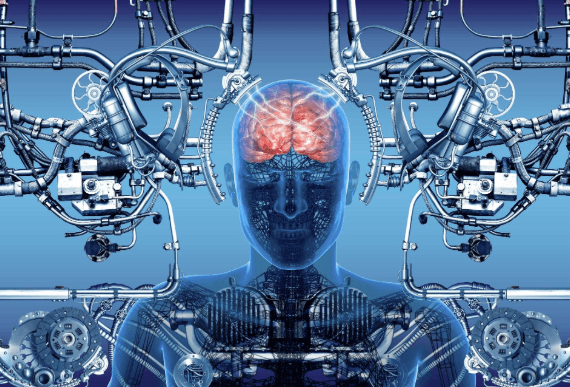
The future workforce blends human judgment with machine insight to accelerate disciplined decisions. Data-informed analysis surfaces patterns, dependencies, and levers, while human discretion preserves context, ethics, and nuance. Automation handles repetitive tasks, broadening decision bandwidth without erasing responsibility. A resilient system relies on transparent governance, shared purpose, and clear interfaces that support distributed decision-making. The implications for leadership, culture, and design invite careful scrutiny as organizations prepare to navigate this evolving collaboration.
What the Humans–Machines Collaboration Really Means
The collaboration between humans and machines redefines value creation by shifting routine decision-making from manual iteration to accelerated, data-informed insight. In this framework, teams harmonize analytics with intuition, building adaptive systems that illuminate patterns, dependencies, and leverage points.
Collaboration ethics and trust calibration anchor governance, ensuring transparency, accountability, and shared purpose as capabilities expand, freedom grows, and collective intelligence scales through disciplined, humane automation.
How Automation Elevates Daily Work (Not Replaces It)
Automation elevates daily work by offloading repetitive tasks to reliable systems while preserving and augmenting human judgment. In measured, data-informed terms, automation elevation reshapes routines, reducing friction and error while expanding decision bandwidth. This approach treats machines as amplifiers of capability, enabling daily workflow enhancement through transparent, auditable processes and scalable coordination, aligning autonomy with collaboration for a freer, more productive workforce.
Skills, Leadership, and Culture for a Hybrid Workforce
Across a hybrid workforce, skills, leadership, and culture must align with measurable outcomes, enabling seamless collaboration between human and machine agents while continuously adapting to evolving demands.
The framework emphasizes data-informed growth, distributed decision-making, and a resilience mindset to sustain performance.
Communication governance clarifies roles, feedback loops, and accountability, fostering trust, transparency, and autonomous collaboration within a freedom-oriented, systems-thinking culture.
Designing Workplaces and Interfaces for Human–Tech Synergy
Designing workplaces and interfaces for human–tech synergy hinges on orchestrating environments that maximize cognitive throughput, reduce friction, and elevate trust across agents. Systems-thinking frames layout, tools, and workflows as interconnected levers. Designing interfaces informs autonomy and collaboration; workplace ergonomics safeguard well-being; automation storytelling translates data into action; trust calibration aligns expectations with capabilities, enabling freedom through reliable, transparent human–machine collaboration.
Frequently Asked Questions
How Quickly Will Collaboration Replace Traditional Roles in My Industry?
Collaboration accelerates faster than traditional roles recede, as speculative governance and cross functional collaboration reshape workflows; talent strategy and change management enable rapid adaptation, guiding organizations toward scalable, data-driven, systems-thinking futures that honor individual freedom and continuous reinvention.
What Is the ROI Timeline for Human–Machine Initiatives?
ROI milestones for human–machine initiatives unfold along a multi-year arc; early gains anchor productivity, while sustained tech adoption yields compounding value. The system-wide view highlights data-driven feedback loops, enabling freedom-seeking organizations to reallocate effort strategically.
See also: toonhub4u
How Do We Measure Human-Centric Success With Automation?
Human-centric success with automation is measured by outcomes, not processes; it prioritizes empowerment, resilience, and meaningful work. An automation-first mindset uses data-driven metrics, systems thinking, and freedom-oriented KPIs to balance efficiency, learning, and human well-being.
What Training Formats Best Suit Diverse Employee Needs?
Adaptive tutoring and experiential simulations emerge as core formats, with microlearning platforms enabling rapid cycles and collaborative coaching sustaining peer-led growth; systems thinking suggests tailoring delivery through data-driven insights to meet diverse needs and empower learners toward freedom.
How Do We Address Ethics and Bias in Ai-Assisted Work?
Ethics governance frames AI-assisted work through accountable decision-making, documenting processes and outcomes. Bias mitigation is embedded in data, models, and governance; systems-thinking reveals interdependencies. The vision emphasizes transparency, autonomy, and freedom within a data-driven, responsible workplace.
Conclusion
In the dawn-lit workspace, humans and machines braid into a living lattice of insight and action. Data rivers feed decisions, while human judgment threads weave ethics, context, and nuance. Automation handles repetitive currents, freeing minds to map new horizons. Interfaces glow like constellations guiding teams through complexity, governance anchoring trust. Together, they compose a resilient ecosystem: scalable, transparent, and humane—where collective intelligence transforms chaos into clarity, and purpose accelerates every decision toward a wiser future.